
SEND & Inclusion
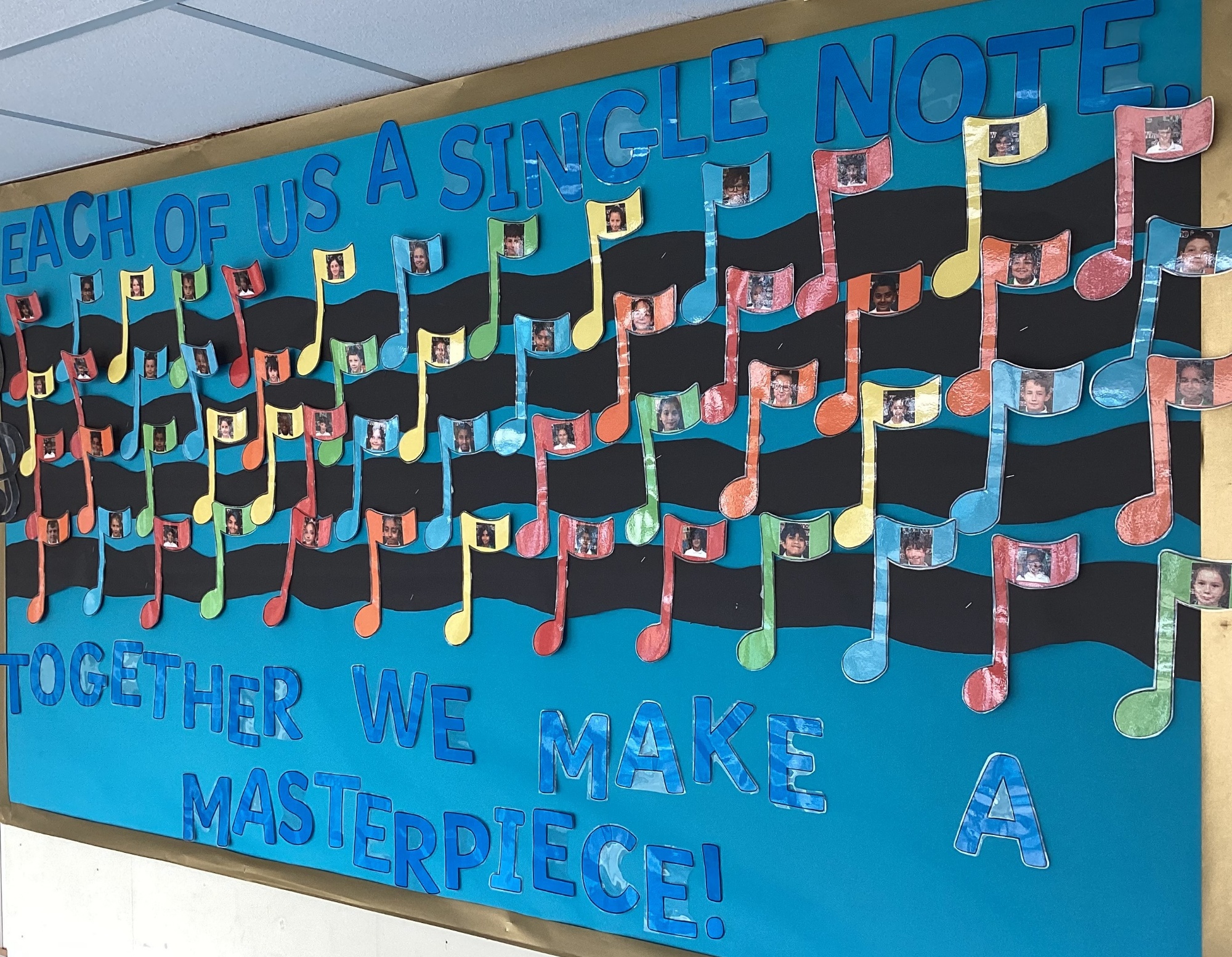
A pupil has special educational needs and disabilities (SEND) if they have a learning difficulty or disability that calls for special educational provision, that is provision different from or additional to that normally available to pupils of the same age.
Special Educational Needs (SEND) encompasses a broad-spectrum of issues including those for speech, language and communication difficulties, physical disabilities, memory and cognitions challenges and social, emotional and mental health difficulties.
We believe all children are unique and should be valued equally. As such, we are committed to adapting the curriculum to encourage engagement at the appropriate levels to ensure success. We also work closely with professionals to establish a collaborative approach to the learning process across school.
The SEND information Report summarises the ways in which we currently support pupils with SEND, and their parents/carers. We continue to develop our provision to meet individual children's needs.
Meadow Park Academy's SEND Information Report can be found here.
To view our Special Educational Needs and Disabilities (SEND) Policy, please click here.
The School's SEND coordinator (SENDCo) is Mrs Samiya Mughal. She can be contacted via email - smughal@meadowpark.anthemtrust.uk or phone 0118 9375562.
SEND Local Offer
The SEND Local Offer provides information on support and services available to children, young people and their families. Please find the link to Reading's SEND Local Offer here.
Inclusion at Meadow Park
Our Inclusion Team supports not only the co-ordination of SEND across the school, but the social, emotional, and mental health needs of our families. Their work is enhanced by a number of specialist practitioners, including:
A Family Support Worker — who helps families access community services and provides assistance such as financial advice and parenting support.
Emotional Literacy Support Assistants (ELSAs) who provide targeted support in small groups or in 1:1 sessions for children who need help with confidence and emotional regulation. The ELSAs are also able to identify and support children within the classes within which they work.